 Skip to content
Concrete block machines play a crucial role in modern construction by producing durable building blocks efficiently and consistently. These machines are designed to transform raw materials such as cement, sand, aggregates, and water into strong concrete blocks using automated mechanical systems. Through processes like vibration, compression, and curing, block machines produce uniform blocks used in buildings, roads, and infrastructure projects worldwide.
This article explores the fundamentals of concrete block machines, including their working mechanism, components, types, production materials, maintenance, and future technological trends.
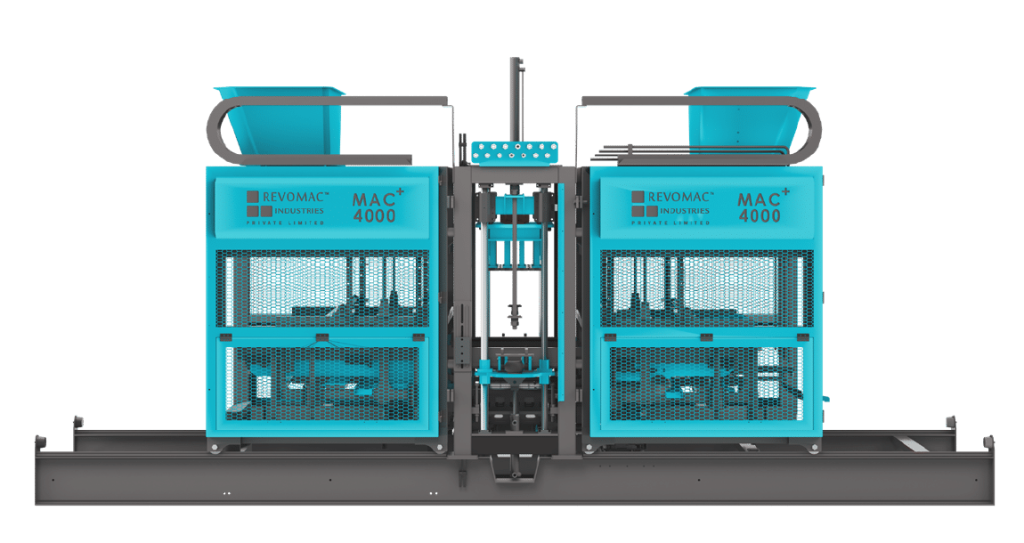
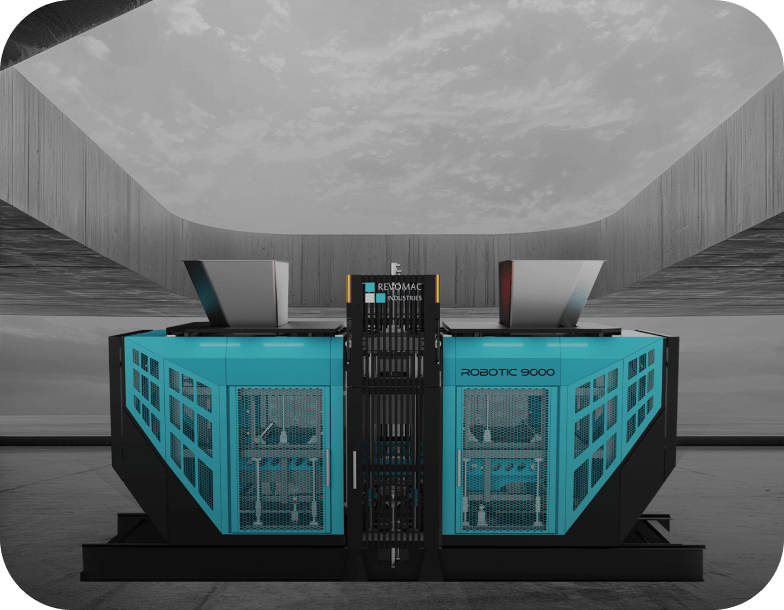
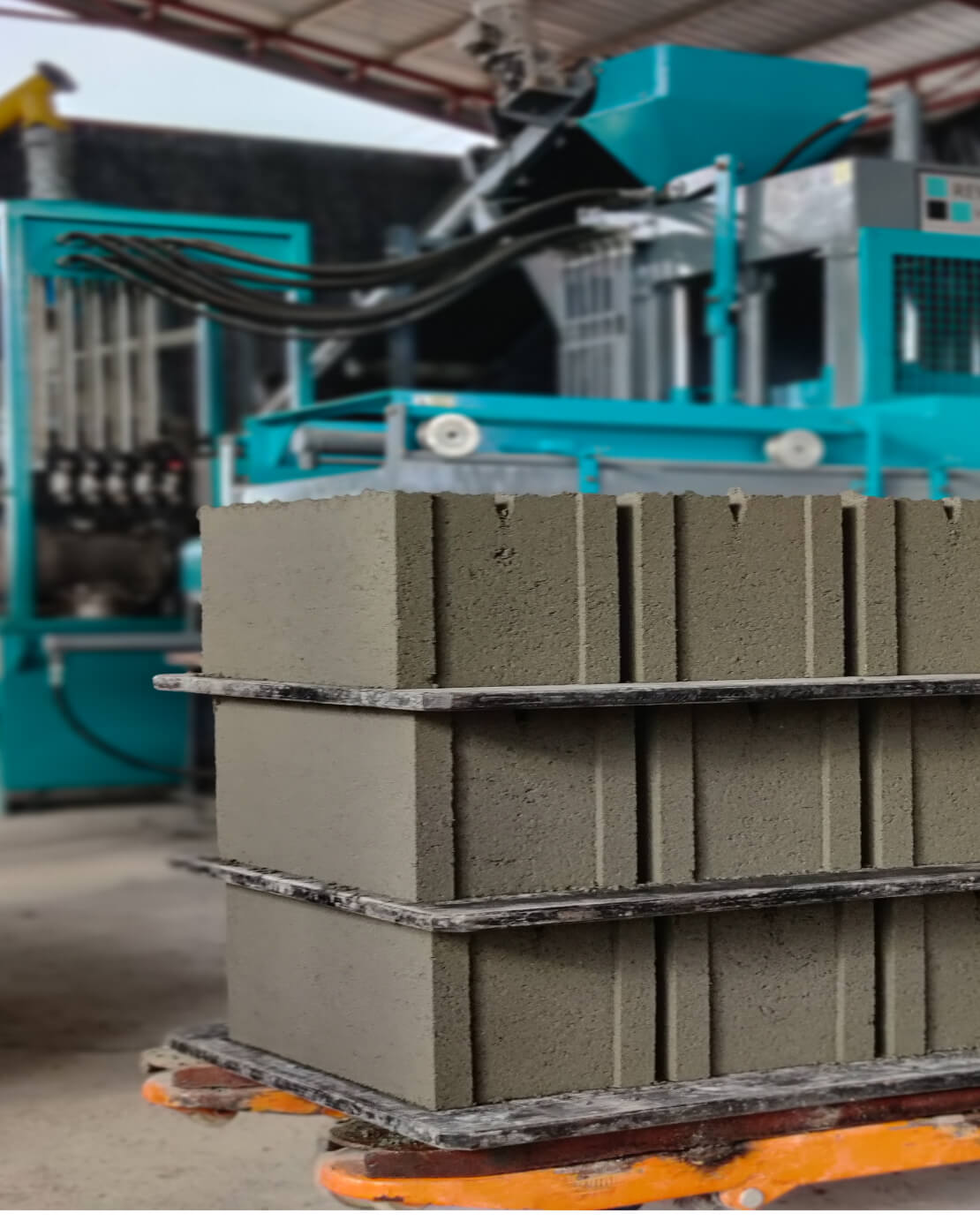
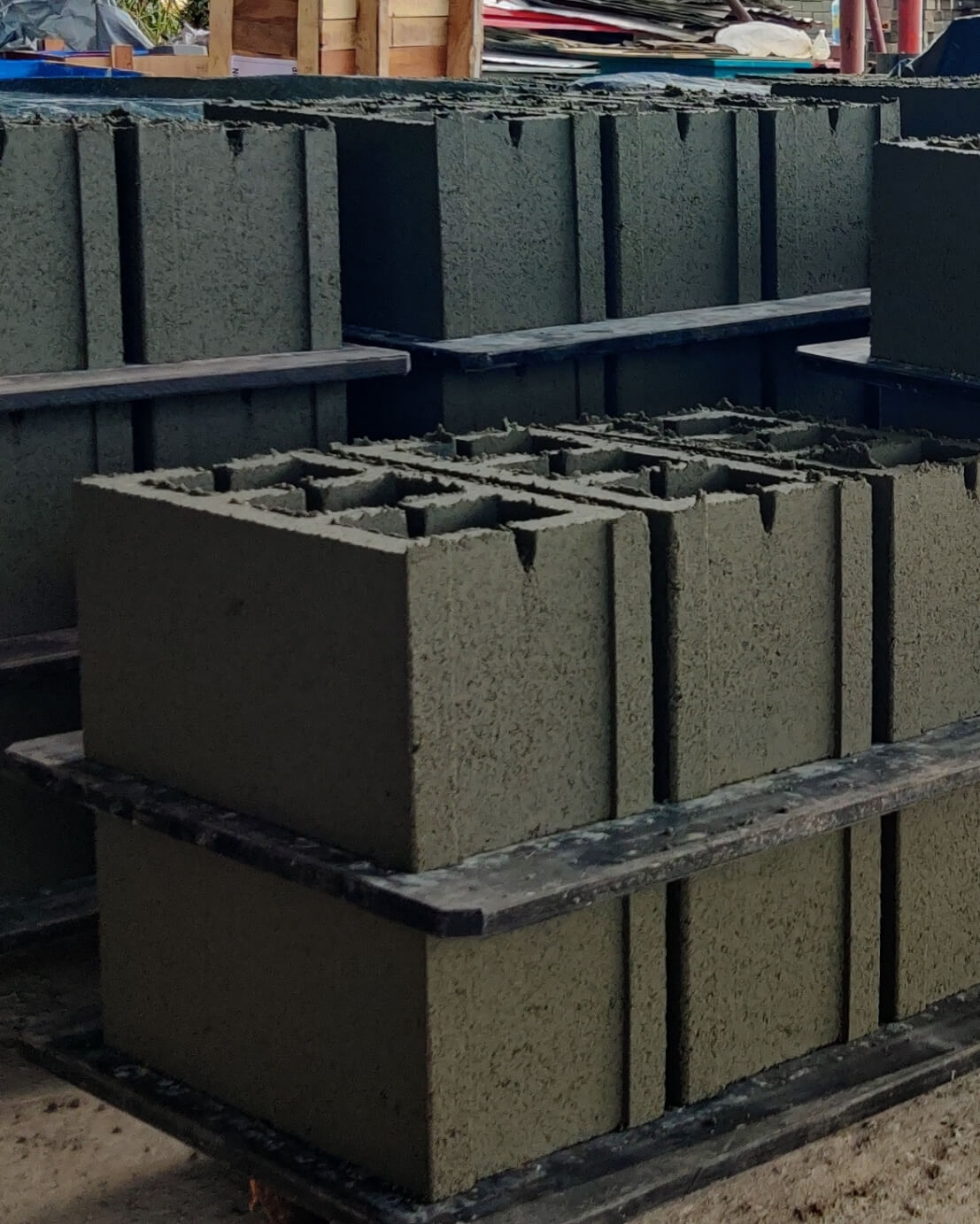
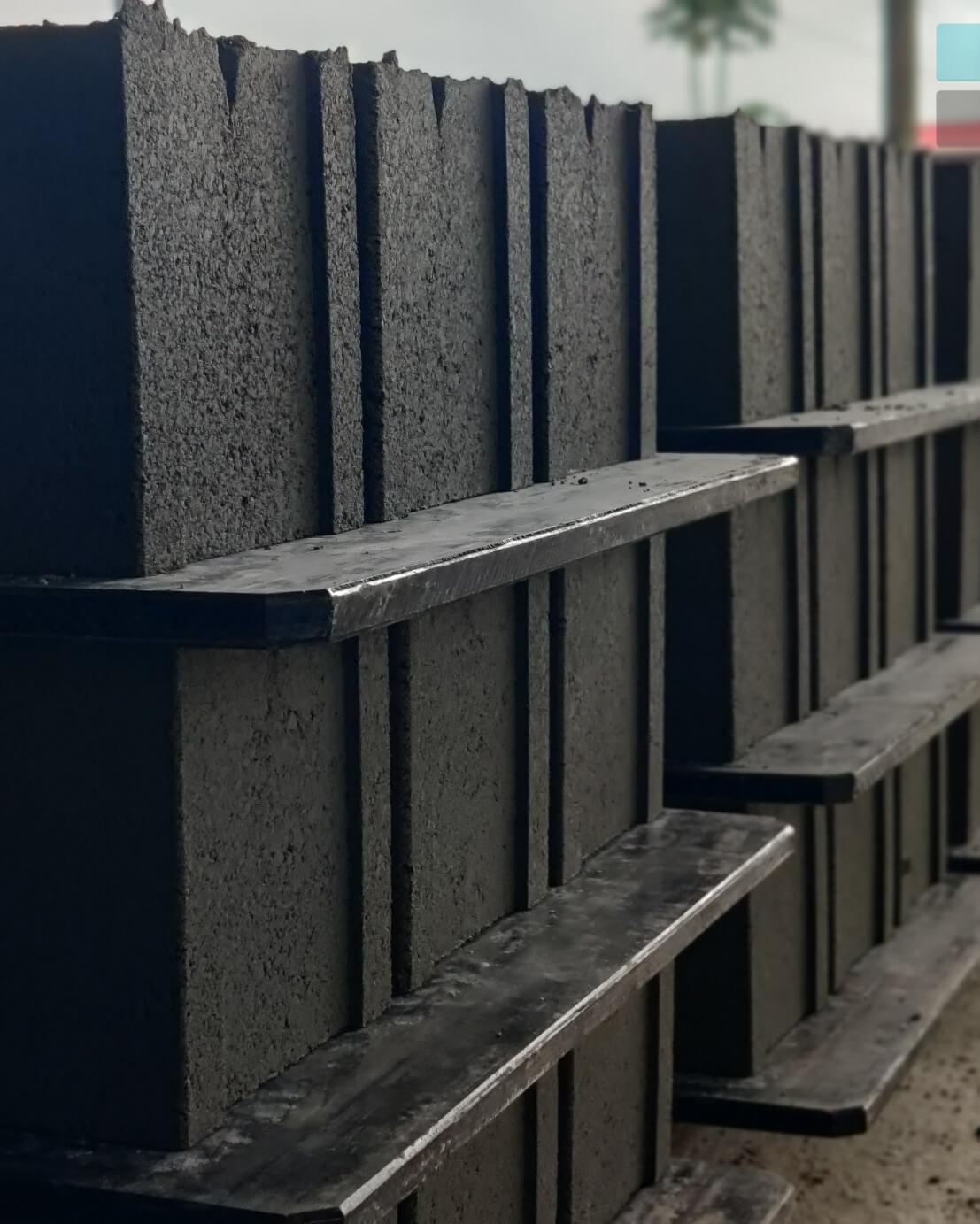
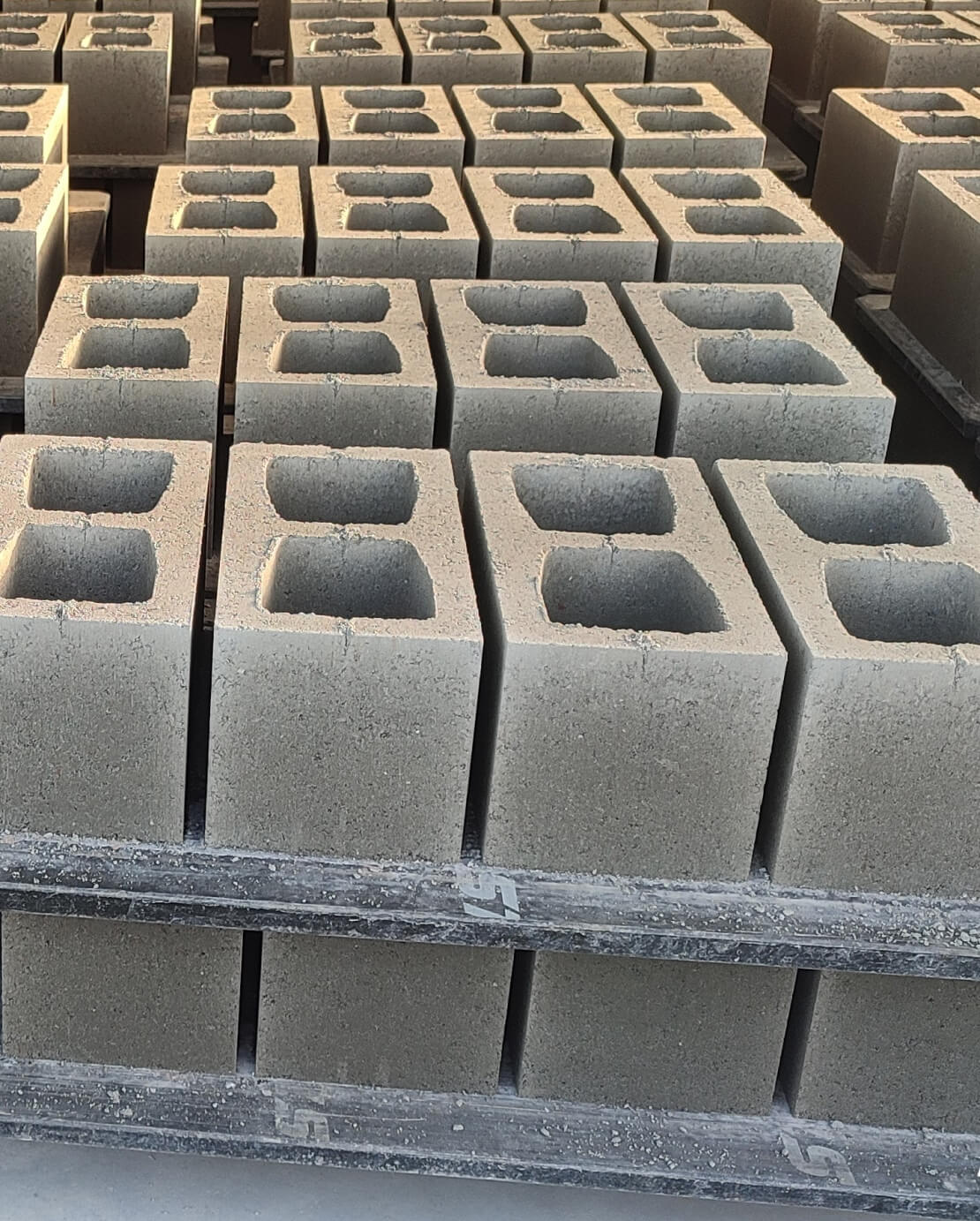
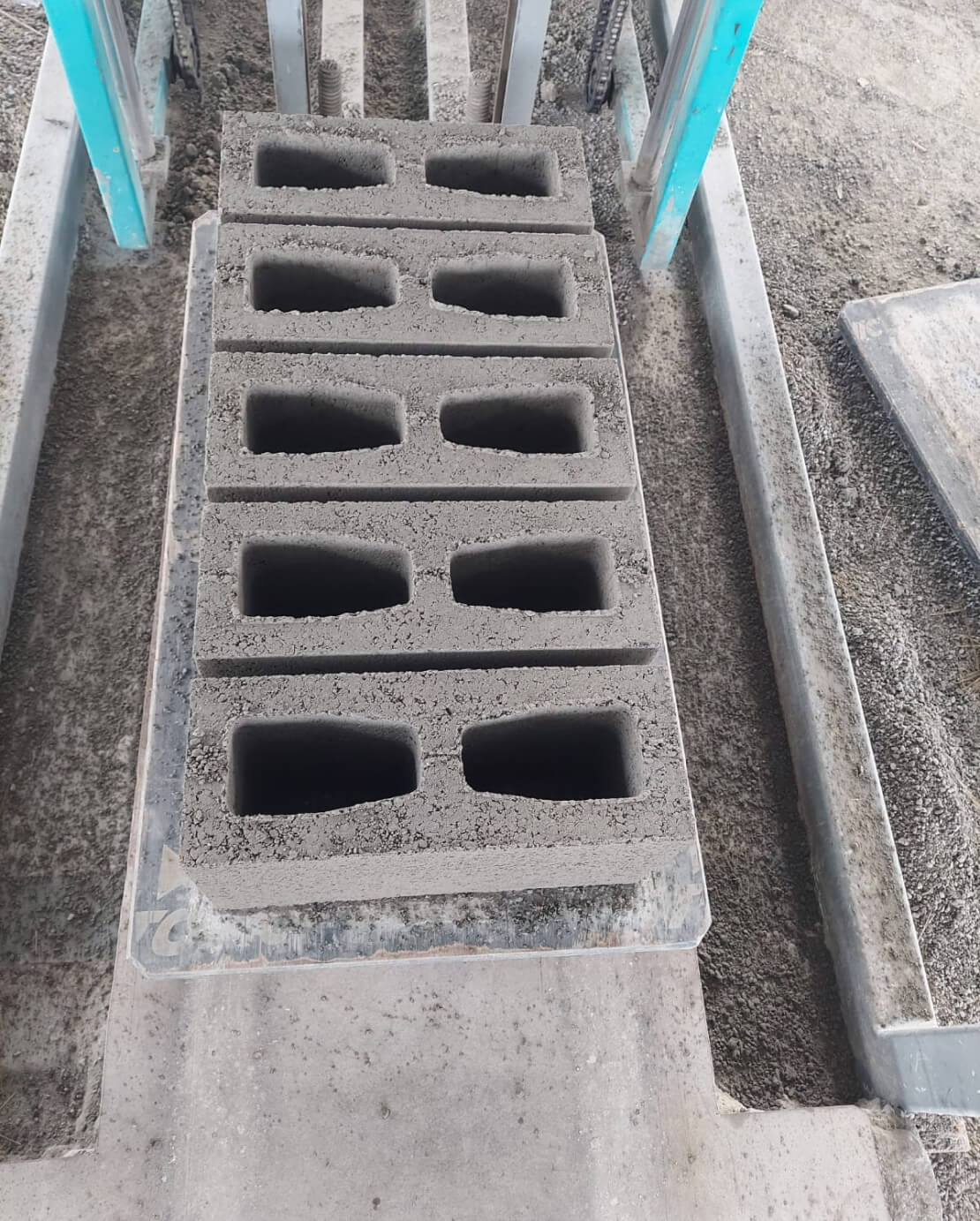
A concrete block machine is specialized equipment used to manufacture concrete blocks such as hollow blocks, solid blocks, paving blocks, and interlocking bricks. The machine compresses a prepared concrete mixture inside molds using vibration and hydraulic pressure to form dense and durable blocks suitable for construction.
The machine automates a process that traditionally required manual labor, significantly improving production efficiency and block consistency. Modern machines are capable of producing thousands of blocks per day, making them essential equipment for large construction projects.
Concrete blocks are widely used in construction because they provide strength, durability, and cost efficiency. They are commonly used in building walls, foundations, pavements, and retaining structures. Compared to traditional bricks, concrete blocks are larger in size and easier to install, reducing construction time and labor costs.
Concrete blocks also offer benefits such as improved insulation, fire resistance, and structural stability. Because they are manufactured with consistent dimensions, they help create more precise and reliable structures.
Block-making technology has evolved significantly over the years. Early methods involved simple molds where concrete was poured and manually compacted. Today, modern machines use advanced hydraulic systems, vibration mechanisms, and computerized controls to produce blocks quickly and efficiently.
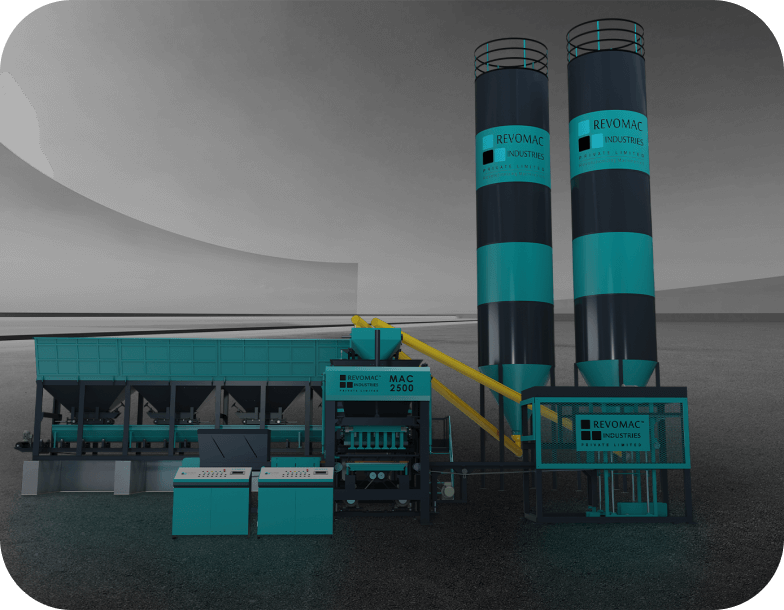
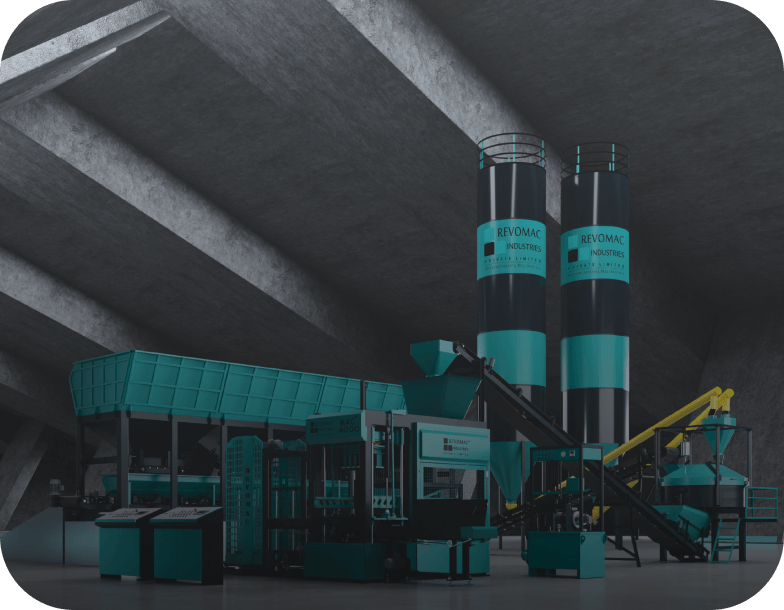
Automation has improved productivity while reducing human error. Modern block machines are often integrated into complete production lines that include mixing systems, conveyors, and curing chambers.
The block manufacturing process involves several stages that ensure the production of strong and uniform blocks.
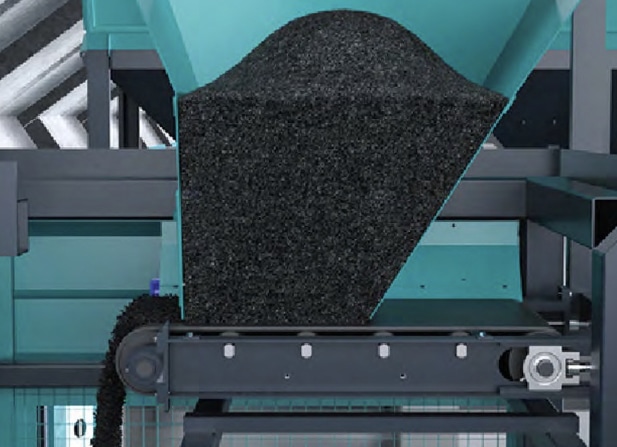
The first step involves measuring and preparing raw materials such as cement, sand, aggregates, and water. These materials must be mixed in the correct proportions to achieve the desired block strength.
The materials are blended in a mixer until a consistent concrete mixture is formed.
The materials are blended in a mixer until a consistent concrete mixture is formed.
The machine uses vibration combined with hydraulic pressure to compact the concrete mixture inside the mold. This process removes air pockets and increases block density.
The machine uses vibration combined with hydraulic pressure to compact the concrete mixture inside the mold. This process removes air pockets and increases block density.
The blocks are placed in a curing area where they gain strength through hydration. Proper curing ensures durability and structural performance.
Hydraulic systems are responsible for applying the pressure needed to compact the concrete mixture. These systems typically include pumps, motors, and cylinders that push the mold plate down onto the mixture, creating dense and strong blocks. The pressure applied during this stage significantly influences the strength and quality of the final block.
Vibration plays a critical role in the block-making process. Vibrating tables or shafts shake the mold while it is filled with concrete, allowing the mixture to settle evenly. This process removes trapped air and ensures uniform distribution of materials throughout the mold. Without proper vibration, blocks may develop weak spots or uneven density, reducing their durability.
A typical block making machine consists of several key components:
Each component works together to ensure efficient block production.
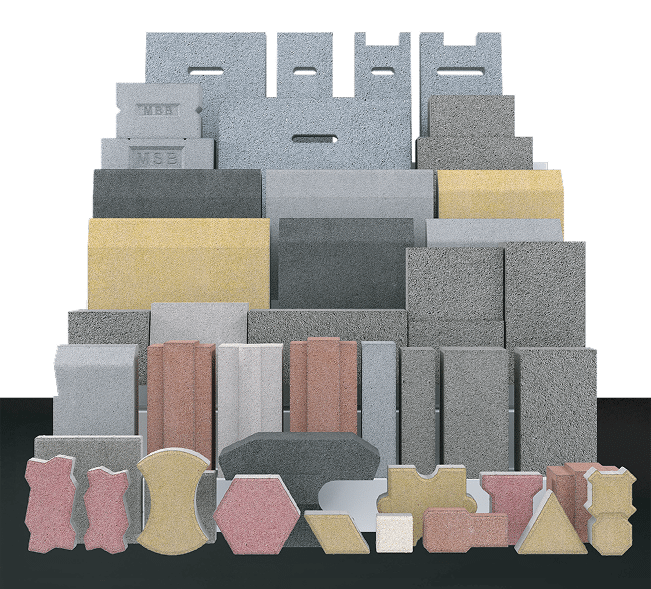
The mold is one of the most critical parts of the machine. It determines the shape, size, and design of the block being produced. By changing molds, manufacturers can produce different types of blocks such as hollow blocks, pavers, or interlocking bricks.
Molds are typically made from high-strength steel to withstand repeated pressure and vibration during production.
Hydraulic systems control the compression process. The pump generates hydraulic pressure, which is transmitted through cylinders to compress the concrete mixture. This system ensures consistent pressure and reliable block quality. Modern machines often use automated hydraulic controls to maintain precise pressure levels.
Block machines can be categorized based on their level of automation:
Controlled by computerized systems
Automatic machines are widely used in large manufacturing plants because they provide higher efficiency and consistent block quality.
Mobile block machines can be transported to construction sites and produce blocks directly on-site. This reduces transportation costs and improves project efficiency.
Stationary machines are installed in factories and operate as part of a complete block production line.
Hydraulic block machines rely primarily on hydraulic pressure to compress the concrete mixture. These machines produce blocks with high density and strength, making them suitable for structural construction projects. They often include advanced control systems that allow operators to monitor pressure, production speed, and machine performance.
The primary materials used in block production include:
These materials must be mixed carefully to achieve the required strength and durability.
The mix ratio depends on the type of block being produced. Generally, a balanced mixture of cement, sand, and aggregates is used to ensure adequate strength and workability. Manufacturers often adjust mix ratios depending on environmental conditions and project requirements.
Curing is essential for achieving the full strength of concrete blocks. Common curing methods include:
Proper curing ensures the blocks develop strong bonding between cement particles.
Concrete block production can be a profitable business due to the high demand for building materials. Entrepreneurs can start small with manual machines or invest in automated production lines for large-scale manufacturing.
Key factors for success include selecting the right equipment, maintaining quality control, and targeting growing construction markets.
The cost of starting a block manufacturing plant varies depending on machine capacity, automation level, and production scale. Small setups may require moderate investment, while large automated plants involve higher capital costs.
The profitability of a block manufacturing business depends on production efficiency, raw material costs, and market demand. With efficient equipment and consistent quality, manufacturers can achieve steady profits.
Common issues include:
These issues often result from improper maintenance or incorrect machine settings.
Regular maintenance tasks include:
Routine maintenance ensures smooth machine operation and reduces downtime.
Production efficiency can be improved by optimizing mix ratios, maintaining equipment regularly, and training operators to use the machine correctly.
Automation has transformed block manufacturing by enabling faster production and improved quality control. Computerized control panels allow operators to monitor machine performance and adjust parameters easily.
Sustainable construction practices are becoming increasingly important. Many manufacturers are now using recycled materials such as fly ash to reduce environmental impact.
The future of block manufacturing includes smart machines with advanced sensors, AI-based monitoring systems, and energy-efficient production processes.